We get the question with every guide: "and without a car, is it possible?" Short answer: yes, almost everywhere, and often better. France has Europe's second-largest rail network — 2,700 km of high-speed lines, Intercités crossing sumptuous landscapes, regional trains serving the smallest vineyard. This guide is our complete manual: understanding the offer, paying less, and discovering the lines that are worth the journey in themselves.
Understanding the offer in five minutes
French rail boils down to four families:
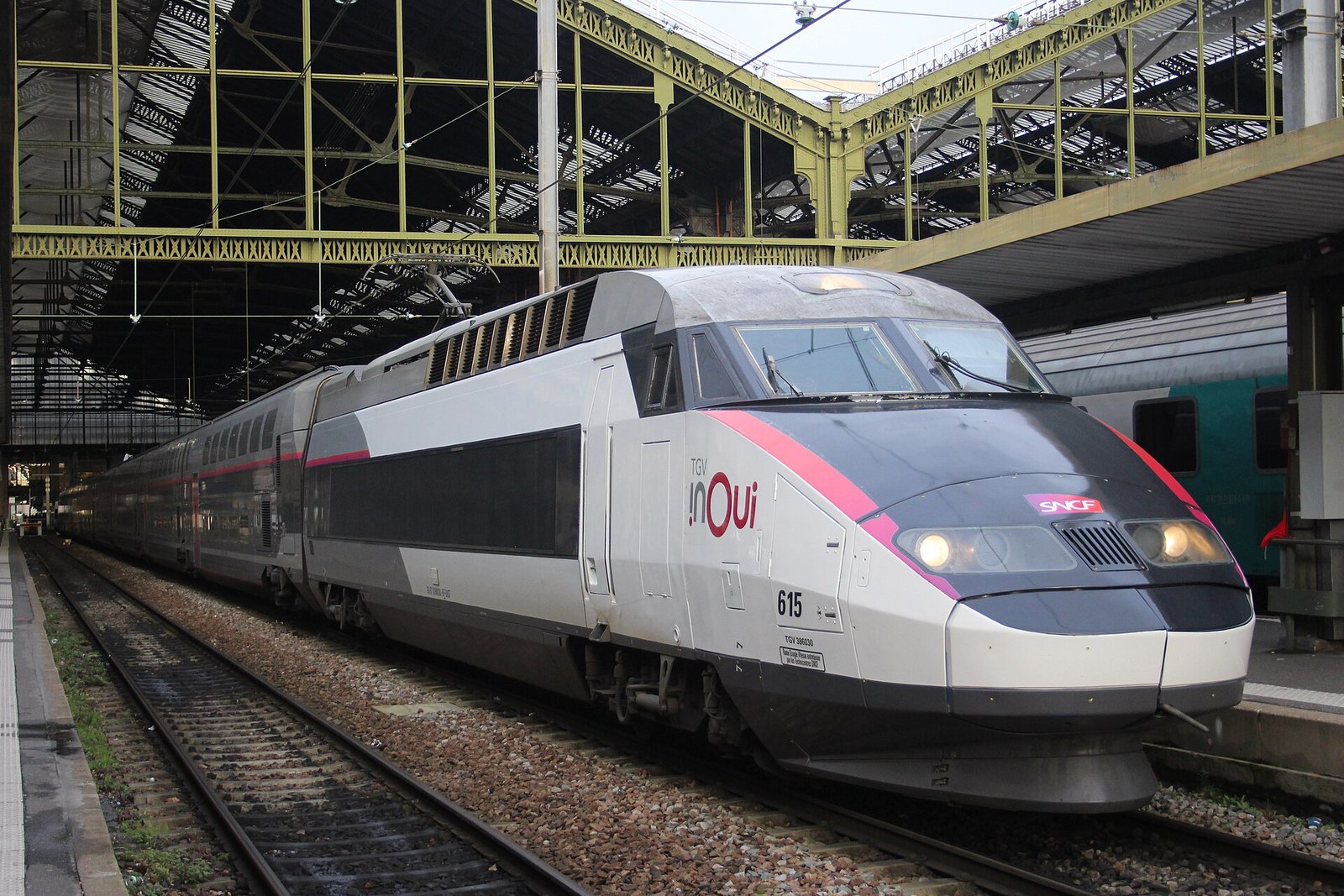
- TGV inOui: premium high speed. Paris-Lyon in 2h, Paris-Bordeaux in 2h04, Paris-Marseille in 3h, Paris-Strasbourg in 1h46. Comfortable, reliable, but dynamically priced — hence the importance of booking early.
- Ouigo: the low-cost TGV, pink and proud of it. From €10–19 on major routes, against a few concessions: limited cabin luggage (surcharge for the big bag), sometimes out-of-town stations, and zero flexibility. For a planned one-way, unbeatable.
- Intercités: the big cross-country routes without high speed (Bordeaux-Marseille, Nantes-Lyon) and above all the reborn night trains — Paris-Nice, Paris-Toulouse-Lourdes, Paris-Briançon. A berth at €29–49, falling asleep at Austerlitz and waking up facing mountains: we never tire of it.
- TER: the regions' fine mesh, at fixed prices — no dynamic pricing; the fare is the same the day before or three months ahead. The secret tool of savvy travellers.
Paying less: the five levers
- Book when sales open: TGVs open about 4 months before departure, and the first prices vanish within days on popular routes.
- The Avantage card (€49/year): 30% off TGVs and Intercités, guaranteed price caps (€49 max under 1h30, €69 up to 3h, €89 beyond), and 30% off for a companion. Paid back in two return trips.
- The Ouigo + TER combo: a €16 Ouigo to the regional metropolis, then a fixed-price TER to the small town. We have tested dozens of combinations; the saving almost always shows up.
- Summer regional passes: every summer most regions sell day passes at €15–29 — and Occitanie pushes the concept to €1 trains on certain days. Watch the regional TER sites from June.
- The night train: count the berth as a hotel night saved and the maths changes everything: Paris-Nice overnight at €39 is a journey + accommodation for the price of a Paris set menu.
Three lines that are journeys in themselves
In order of preference, and we weigh our words:
- The Train des Merveilles (Nice-Tende): in an hour and a half you pass from the Mediterranean to the Alps through a succession of viaducts, loops and spiral tunnels worthy of a model railway. The regional ticket costs about fifteen euros; the view is worth a thousand. Get off at Saorge or Tende, two suspended villages.
- The Côte Bleue line (Marseille-Miramas): clinging to the calanques between L'Estaque and Martigues, it strides over the coves on century-old viaducts. Get off at Niolon for a sea-urchin lunch with your feet in the water.
- The Causses line (Béziers-Neussargues): the most secret, crossing the Garabit viaduct — Eiffel's red masterpiece, the dress rehearsal for his tower — before climbing onto the Aubrac plateaus. We took it one misty autumn morning: we still think about it.
The editors' tip: the Avantage card + a night train ticket is the formula we gift to people around us. Paris-Lourdes overnight, waking at the foot of the Pyrenees, a week of mountains at Auvergne prices, night train back: the whole trip costs less than a return flight — and it begins right on the platform.
Our guides, car-free edition
Almost all our guides include a tested rail option: the Alabaster Coast by direct train from Paris + bike, the Loire châteaux by TER + Loire à Vélo, the Riviera on coastal trains every 30 minutes, Saint-Malo by direct TGV. The train is not the fallback of the carless: it is often the most beautiful way to see this country — wide window, free hands, landscape in cinemascope.
The traps to avoid, to finish
- Check the Ouigo station before buying: "Paris" can mean Marne-la-Vallée, 40 RER minutes from the centre.
- Mind your connections: 20 minutes between two TERs is enough; 10 minutes on a strike day is not.
- Bikes on board: free and unreserved on most TERs, paid and limited on TGVs (€10, must be booked). Plan ahead if your trip depends on it.
Bon voyage — and keep the window seat.
The mistakes to avoid
- Buying your TGV the day before. That is paying top price in a system entirely built to reward anticipation. D-60 is already late on the big summer routes.
- Snubbing the Avantage card "because €49". It pays for itself in a single Paris-Lyon return. The most profitable purchase in French rail.
- Mixing up Ouigo stations. "Paris" can mean Marne-la-Vallée, "Lyon" sometimes Saint-Exupéry. Forty minutes and €10-15 of shuttle can erase the ticket's saving.
- Planning 10-minute connections. Fine... until the day of a delay. Twenty minutes minimum, thirty if changing Paris stations.
- Boarding a TGV with an unreserved bike. The bike slot (€10) is booked with the ticket — afterwards it is often full, and the conductor does not negotiate.
Paris → major destinations: observed times and prices
| Route | Time | Booked early | Last minute |
|---|---|---|---|
| Paris → Lyon | 2h00 | €25-45 (Ouigo from €16) | €90-120 |
| Paris → Bordeaux | 2h04 | €29-49 (Ouigo from €19) | €95-135 |
| Paris → Marseille | 3h00 | €29-55 (Ouigo from €19) | €100-140 |
| Paris → Strasbourg | 1h46 | €29-45 | €85-115 |
| Paris → Nice (day) | 5h50 | €39-69 | €110-150 |
| Paris → Nice (night) | ~12h | €29-49 per berth | subject to availability |
The right-hand column is the one we want to spare you. Between "booked early" and "last minute", the average gap is €60-90 per journey — enough to fund two hotel nights in half our destinations.
Planning your trip: our guides by destination
- All served regions: browse our destinations — each page names the rail gateway town.
- Our tested car-free itineraries: Normandy, Loire, Riviera, Saint-Malo.
Frequently asked questions
Is the Avantage card really worth it?
Do the maths on your next return trip: 30% off two Paris-Lyon tickets already saves ~€40-60, nearly the card's price (€49/year). From the second trip everything is profit — and the guaranteed price caps protect even your late bookings.
Are the night trains comfortable?
It is functional sleeping, not a rolling hotel: six-berth (second) or four-berth (first) compartments, bedding provided, wake-up 30 minutes before arrival. Our verdict: perfectly sleepable with earplugs, and the experience — falling asleep in Paris, opening the curtain on the Alps or Pyrenees — is well worth the lost comfort.
Can you travel with a pet?
Yes: free in a bag under 6 kg, a €7 ticket for bigger dogs (muzzled for some breeds). Ouigo also accepts animals with a dedicated ticket. The only real constraint: summer peak hours, trying for everyone.
What about strikes?
Notices are known days ahead: SNCF publishes the list of running trains at 5pm the day before. Tickets are exchangeable and refundable free on strike days — allow a day's buffer if your connection is critical, and follow the SNCF Connect app for real-time alerts.
Is the train really competitive with the car?
For two, on an early-booked Paris-Bordeaux (€58-98 for both tickets), the train beats the car (tolls ~€55 + fuel ~€70) on price AND time. For four, the car regains the financial edge — unless the Avantage card and Ouigo get involved. Our rule: for one or two people, the train almost always wins.
Photo: "SNCF TGV inOui Réseau Duplex, Paris Gare de Lyon", Wikimedia Commons, CC BY-SA 4.0 licence.


