You can "do" the Loire châteaux by stringing together car parks and audioguides — many do, and come home exhausted with 400 identical photos. Or you can savour them: three or four chosen châteaux, cycling between the vines, a picnic beside the wild river. After several stays, here is our method for the second option — and our frank opinions on who deserves what.
Chambord: extravagance, provided you arrive early
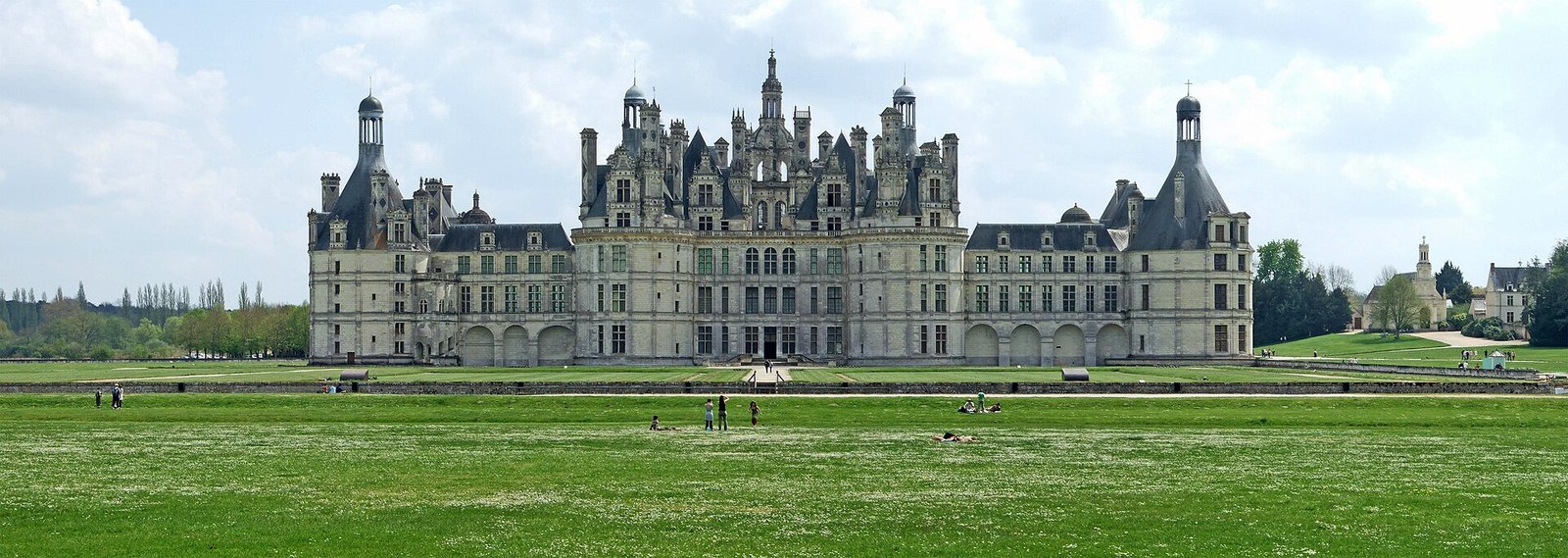
426 rooms, 282 fireplaces, and that famous double-helix staircase attributed to Leonardo da Vinci, where two people can go up and down without ever meeting — children love testing it, adults too. Chambord overwhelms by scale, which is exactly why you should see it at opening (9am) or after 4pm: in between, the coaches pour out their continuous flow. Climb to the terraces: the royal hunting forest, larger than central Paris, stretches beyond sight. Entry ~€16, paid parking — the real free photo spot is on the Cosson bank, south side.
Chenonceau: our favourite, no internal debate
The "Ladies' Château", arched over the Cher, is the most elegant in France — Diane de Poitiers, Catherine de' Medici and several centuries of very sure taste saw to that. The 60-metre gallery over the water, the kitchens built into the bridge piers, the rival gardens of Diane and Catherine: everything is human-scaled and perfect. Book the first morning slot and head straight to the gallery: ten minutes of near-solitude above the Cher, worth the rest of the day.
Amboise and Clos Lucé: an afternoon with Leonardo
The royal château of Amboise dominates the Loire and holds Leonardo's tomb; 400 metres away, Clos Lucé was his last home — François I installed him there with the title, still magnificent, of "first painter, engineer and architect of the King". The models of his machines, the park staging them full-size, the facsimiles of his notebooks: the most moving site in the valley, especially late in the day when the school groups have gone.
Villandry, Azay, Chaumont: the connoisseurs' trio
- Villandry is worth the trip for its gardens alone: the Renaissance kitchen garden, where espaliered pears and purple cabbages form geometric paintings, is unique in the world.
- Azay-le-Rideau, mirrored in the Indre, is the most photogenic jewel — small, perfect, one hour is enough.
- Chaumont-sur-Loire hosts the International Garden Festival from April to November: twenty-five landscape creations renewed every year. Our favourite "surprise" visit for people who think they have seen everything.
The editors' tip: the valley by bike is not a marketing gimmick — it is the best way to live it. "La Loire à Vélo" lines up 900 km of waymarked, flat, safe paths; rent by the day (~€15–20, electric ~€30) in Blois, Amboise or Tours, and reach Chaumont or Chenonceau through the vines. The river, the sandbanks, the herons: you will see the Loire the car parks never do.
The logistics that change everything
- Ideal base: Amboise (our pick — human scale, superb Sunday market, central position) or Blois for a hub-and-spoke trip. Tours if you are car-free: it is the valley's rail hub.
- From Paris: 1h by TGV to Tours or 1h25 direct to Blois. The whole valley then works by regional train + bike.
- Tickets: book Chambord and Chenonceau online in season (timed slots). Expect €14–16 per château — combined passes pay off from the second visit.
- When: May-June and September, obviously. But our little-known favourite: December, when the châteaux dress for Christmas — trees, laid tables, lights — for a fraction of summer's visitors.
- At the table: rillettes from Tours, goat cheeses (Sainte-Maure, Valençay), and the wines of Vouvray, Chinon and Montlouis in troglodyte cellars.
Three days, four châteaux, one bike: that is our formula. Our selected places to stay are on the Loire Valley page — and if you extend, the wild Sologne and its ponds are half an hour away.
The mistakes to avoid
- Scheduling five châteaux in two days. After the third, every coffered ceiling looks alike. Three well-chosen châteaux + a bike + a village beat ten rushed visits.
- Arriving at Chambord or Chenonceau without a booked slot. In season, that means a guaranteed 45-minute queue — sometimes a flat refusal at peak hours.
- Visiting everything between 11am and 3pm. That is coach o'clock. The winning rhythm: one château at opening, a long lunch, one after 4pm.
- Neglecting gardens for interiors. Villandry, Chaumont and Chenonceau's gardens rank among Europe's finest — in good weather they beat suites of drawing rooms.
- Sleeping in Tours "because it's central". It is mostly urban and without Loire charm. Amboise or a wine village serve the valley from breakfast onwards.
The major châteaux compared
| Château | Ideal time | Entry | Crowds | Our verdict |
|---|---|---|---|---|
| Chambord | 2.5h | ~€16 | Heavy 10am-4pm | The unmissable — early or late |
| Chenonceau | 2h | ~€17 | Heavy, manageable 1st slot | Our favourite, no debate |
| Amboise + Clos Lucé | 3h (both) | ~€15 + ~€19 | Medium | The most moving |
| Villandry | 1.5h | ~€13 (gardens ~€8) | Medium | Gardens unique in the world |
| Azay-le-Rideau | 1h | ~€12 | Low-medium | The photogenic jewel |
Where to stay: the editors' shortlist
- The perfect base: Amboise — human scale, Sunday market, Chenonceau and Clos Lucé within cycling range.
- All our addresses: on the Loire Valley page.
Frequently asked questions
How many châteaux can you reasonably visit per day?
Two, absolute maximum — one at opening, one after 4pm, with a village or a bike ride in between. Beyond that, museum fatigue wins and the visits lose all flavour.
What is the best car-free base?
Tours, for its rail hub: Amboise, Blois, Chenonceaux (the station is at the château's foot!), Azay and Langeais are all served. Combine with day bike rentals and the valley opens up entirely without a wheel.
Is the châteaux pass worth it?
From two 'major paid' châteaux, yes: combined tickets save 10-15% and, above all, skip certain queues. Check which time slots are included before buying.
Are the châteaux interesting for children?
Very, if you choose well: Chambord and its staircase-game, Clos Lucé and its hands-on Vinci machines, Villandry's maze gardens. The free activity booklets at the ticket desks turn the visit into a treasure hunt.
Is December really a good idea?
It is our least-shared secret: 'Christmas in châteaux country' dresses Chambord, Chenonceau, Amboise and Azay with trees, laid tables and staging — for a fraction of summer visitors. Dress warmly; not every room is heated.
Photo: "Chambord pano", Wikimedia Commons, CC BY-SA 2.5 licence.


